Series, semi-custom and full-custom are useful descriptions, but they are not a universal contractual vocabulary. One manufacturer may use semi-custom for extensive interior choices on a fixed engineering platform. Another may permit changes to superstructure arrangements or selected systems. Before comparing proposals, translate each label into a list of fixed features, permitted options and changes that need separate engineering approval.
The production route influences more than appearance. It affects design maturity at contract signing, procurement timing, the owner's decision workload and the evidence available from previous hulls. None of these routes removes technical or commercial risk. Each places uncertainty in a different part of the project.
Series construction: repetition with boundaries
In an established series, the basic hull, structural arrangement and major systems are generally developed before the individual customer's order. The builder can invest in repeatable tooling, manufacturing sequences and supplier arrangements. Buyers may choose equipment packages, finish schemes and selected layouts within defined limits.
Manufacturers such as Azimut, Princess and Sunseeker provide useful product ranges to examine in this context. The existence of a model family does not mean every example has identical machinery, certification or accommodation. Model revisions and individual options can make two apparently comparable yachts materially different.
Repetition can provide reference boats, established service knowledge and a clearer view of space. It can also constrain modifications. Moving a partition may affect ventilation, cable routes, access or escape arrangements. A seemingly small request should be evaluated as a systems change rather than treated as furniture rearrangement.
Platform-based projects: define the envelope
A platform-based yacht retains substantial engineering while allowing an agreed degree of variation. The value lies in reusing work that does not need to be reinvented. The hull form, machinery layout or structural grid may be established even when interior design and exterior details differ between deliveries.
Benetti and Sanlorenzo publish multiple product families, making them useful research sources for the relationship between range identity and individual configuration. Custom Line and Amels offer further reference points for investigating defined platforms and the owner's design scope. Always examine the specific offer rather than projecting one range's approach onto every yacht built by the brand.
The critical document is the customisation boundary. It should identify what can be changed, the deadline for each decision and who assesses the consequences. Ask whether an option is already engineered, has been delivered before or will be developed for the first time. These categories carry different levels of uncertainty even if they appear together in the same options list.
Full custom: a new brief, not unlimited freedom
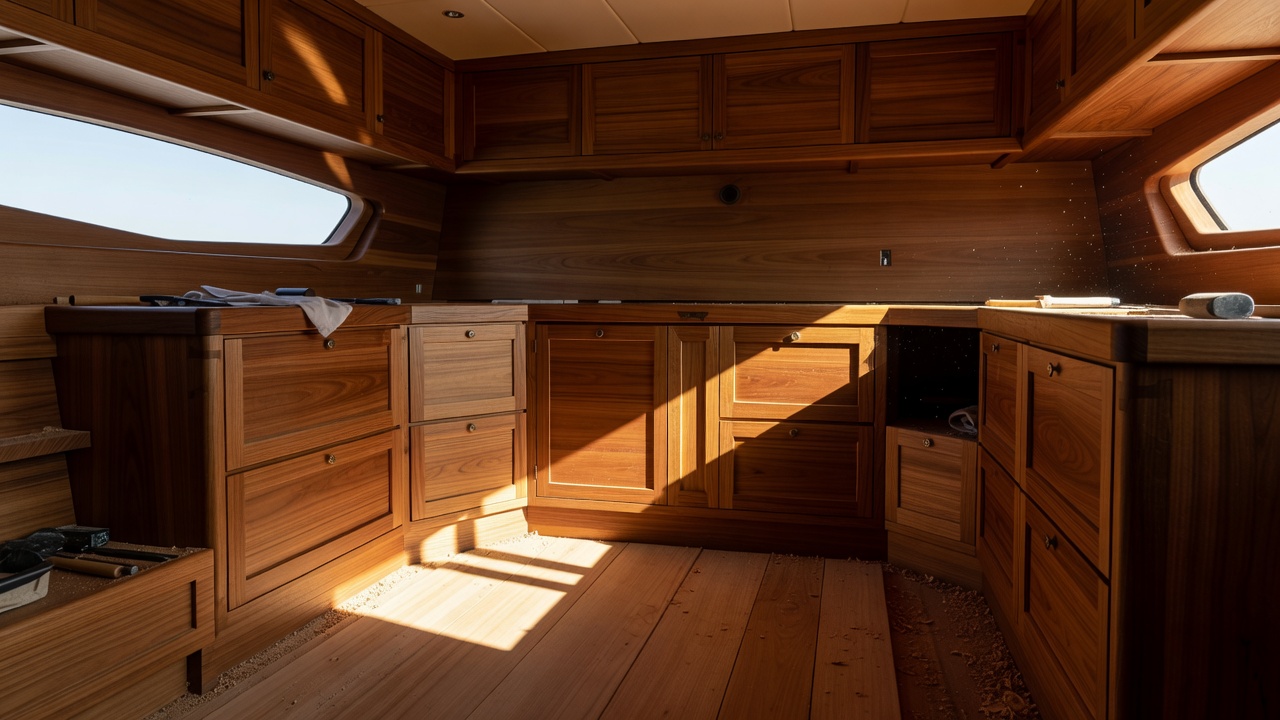
A full-custom commission can develop around a new operating brief and spatial concept. Feadship and Oceanco are relevant sources for custom motor yacht projects; Vitters offers a sailing-focused reference. The design team may involve an owner-appointed exterior designer, interior designer and naval architect alongside the yard's own engineering organisation.
Even here, freedom is bounded by physics, regulations, facilities, budgets and time. Proven engines, generators and control systems may be preferable to new development. A custom yacht need not invent every component to deliver a distinctive result. Indeed, concentrating innovation where it serves the mission can be more disciplined than pursuing novelty everywhere.
A new arrangement also changes the owner's responsibilities. Decisions about crew circulation, stores, maintenance access and equipment handling need attention alongside guest areas. The project team should test how the yacht will be operated, not just how its rooms will be photographed.
Compare the route through evidence
| Route | Typical starting point | Key verification |
|---|---|---|
| Series | Established model and options | Exact specification and model revisions |
| Platform-based | Defined engineering with variable scope | Written customisation boundaries |
| Full custom | Project-specific brief and design development | Responsibility, design maturity and approval process |
These are analytical categories, not promises about any particular contract. Delivery timing depends on the actual build slot, design readiness, supplier commitments and agreed scope. A yacht already in construction may offer an earlier delivery but fewer remaining decisions. A newly commissioned series vessel can still face delays if its equipment or late changes disrupt the production sequence.
Changes need a complete account
A proper change assessment goes beyond the price of the requested item. It should consider weight, stability, electrical load, cooling, noise, approvals, documentation and the schedule. The owner needs to know both the direct cost and the effect on other commitments. Informal approval can leave important consequences unresolved.
Before selecting a route, decide where individuality matters. If the priorities are a proven layout, a particular cruising capability and reliable support, extensive structural redesign may add little value. If the brief genuinely requires an unusual arrangement, a more flexible route may be justified. The appropriate production model is the one that concentrates development effort on the requirements that cannot be met well another way.
Next: The Build Process